Beauty and Cosmetics is planned around venue rules, labor windows, freight timing, and the way Miami events actually flow on site.

Venue-aware booth design, rentals, logistics, labor coordination, and show-site control for Miami trade shows.
Venue-aware booth design, rentals, logistics, labor coordination, and show-site control for Miami trade shows.
Industries
Beauty and Cosmetics matters for exhibitors working in the Miami market when it is tied to real venue conditions, South Florida logistics, schedule control, and the connected decisions around Automotive, Retail and Ecommerce, and Trade Show Booth Design. The goal is a cleaner next move, not another generic trade show paragraph.
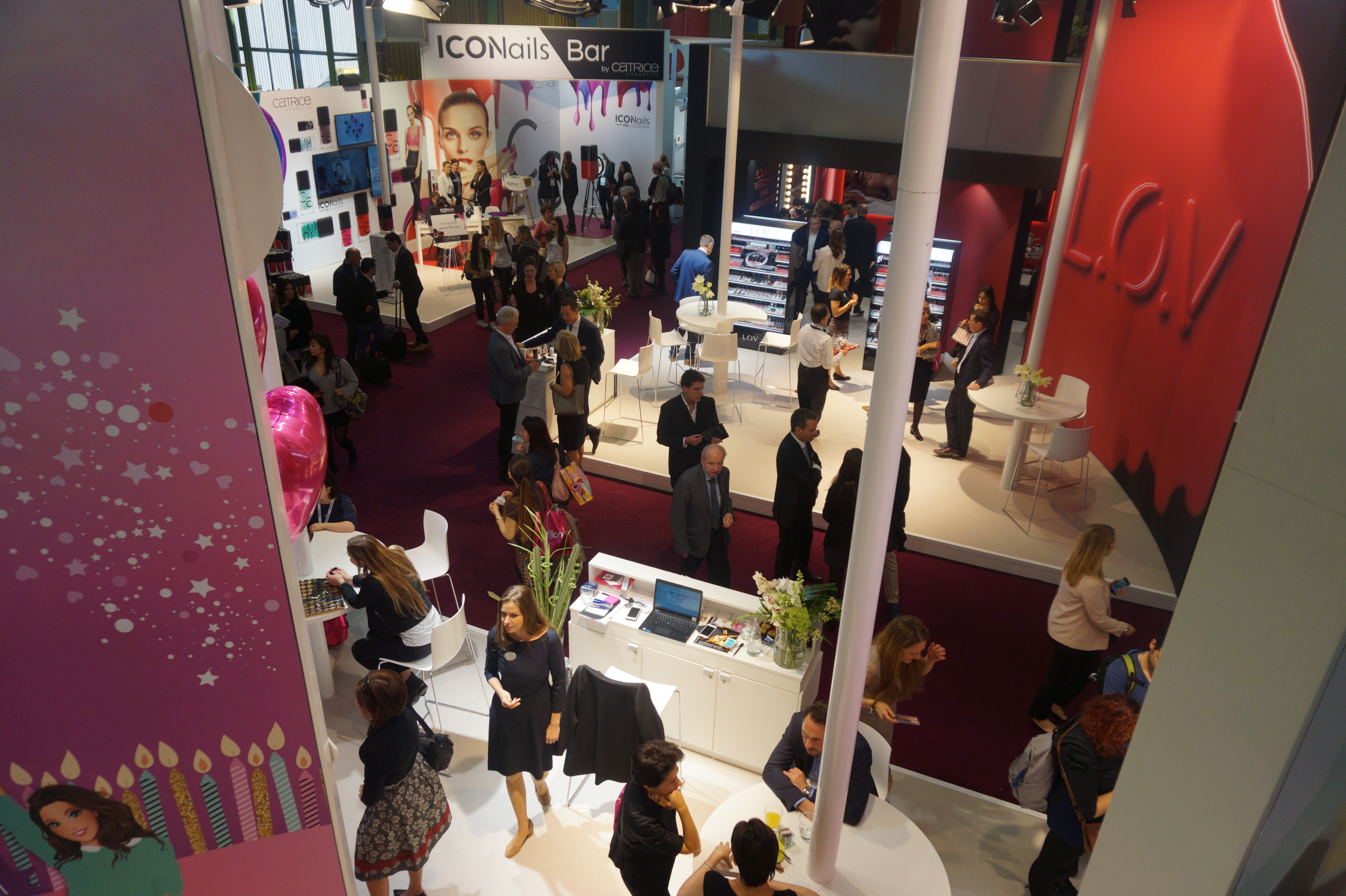
Beauty and Cosmetics is planned around venue rules, labor windows, freight timing, and the way Miami events actually flow on site.
Trade Show Exhibit Company of Miami uses nearby routes like Automotive, Retail and Ecommerce, and Trade Show Booth Design to keep design, logistics, and execution decisions connected.
Beauty and Cosmetics exhibitors do not buy booths in a vacuum. They are usually balancing category expectations, product complexity, buyer education, and the type of conversations the sales team needs to create on the floor. The exhibit has to support that commercial behavior, which is why industry guides matter. The same booth logic does not translate cleanly across every category, even when the venue and budget look similar.
A useful section for beauty and cosmetics should therefore clarify what the audience needs to see, how much explanation or demonstration the environment must support, and whether the program benefits from more hospitality, more technical depth, or a simpler lead-generation setup. Those answers shape the booth faster than generic style preferences ever will.
Each industry creates its own planning pressure. Some categories require a heavier product story, more compliance awareness, or more space for demonstrations and private conversations. Others need fast lead capture, visual punch, and a booth environment that can reset quickly between meetings. Buyers should evaluate beauty and cosmetics work through those operational needs, not just through surface aesthetics.
That pressure also changes the service mix. Adjacent sections such as Automotive, Retail and Ecommerce, and Trade Show Booth Design help show whether the category leans toward stronger program management, more technical support, a more modular booth system, or a venue with better hospitality and meeting integration. Industry strategy works best when it narrows choices instead of multiplying them.
Beauty and Cosmetics may be better served by a certain type of venue environment, a particular booth type, or a more controlled traffic pattern depending on what the company is trying to accomplish. A category built around relationship depth may favor meeting support and quieter conversations. One built around visibility or launch energy may want more open circulation, a stronger visual statement, and a venue that can carry higher attendee flow.
That is why industry planning belongs early in the brief. If the category implications are ignored until late, the team may spend on the wrong type of booth or select a venue that looks good in a deck but works against the actual selling process. Strong industry guides help buyers tie the booth back to how the business really wins in person.
The industry label should also shape how people work inside the booth. Some categories want more product specialists, more structured demos, or clearer content zones so the audience can move from awareness to deeper technical discussion. Others need faster triage, lighter presentations, or more hospitality support so the team can manage volume without losing quality.
These decisions are not secondary. They affect footprint, AV, storage, furniture, graphics hierarchy, and whether the booth is better served by a custom build, a rental environment, or a flexible hybrid. A section like this one is useful when it helps the buyer connect the selling rhythm of the category to the physical environment required to support it.
Buyers should challenge any category section that sounds interchangeable with the next one. The whole point of beauty and cosmetics planning is to recognize what is specific about the audience, the product story, and the event behavior. If the section cannot explain what changes in the booth, the staffing plan, or the venue decision, it is not helping the brief.
They should also verify that the exhibit recommendation fits both the category and the Miami setting. An industry strategy that makes sense nationally may still need to be adapted for South Florida venue rhythms, shipping realities, or the type of hospitality expectations common in this market. Good sections respect both layers of the decision.
The cleanest planning move is to pair the industry with the upcoming venue, expected audience mix, booth footprint, and the kind of product story the team needs to tell. Those inputs reveal whether the booth should emphasize demos, private conversations, high-volume lead capture, or a more atmosphere-driven brand experience.
Trade Show Exhibit Company of Miami uses industry guides to make booth planning feel more specific and less generic. The category becomes a real filter for venue choice, booth format, staffing, and service support, which gives the buyer a stronger path to the next decision and a better chance of building an exhibit that performs the way the business actually needs it to.