Rental Exhibit Booths is planned around venue rules, labor windows, freight timing, and the way Miami events actually flow on site.

Venue-aware booth design, rentals, logistics, labor coordination, and show-site control for Miami trade shows.
Venue-aware booth design, rentals, logistics, labor coordination, and show-site control for Miami trade shows.
Booth Types
Rental Exhibit Booths matters for exhibitors working in the Miami market when it is tied to real venue conditions, South Florida logistics, schedule control, and the connected decisions around Conference Booth Displays, Exhibit Rental Programs, and Coconut Grove. The goal is a cleaner next move, not another generic trade show paragraph.
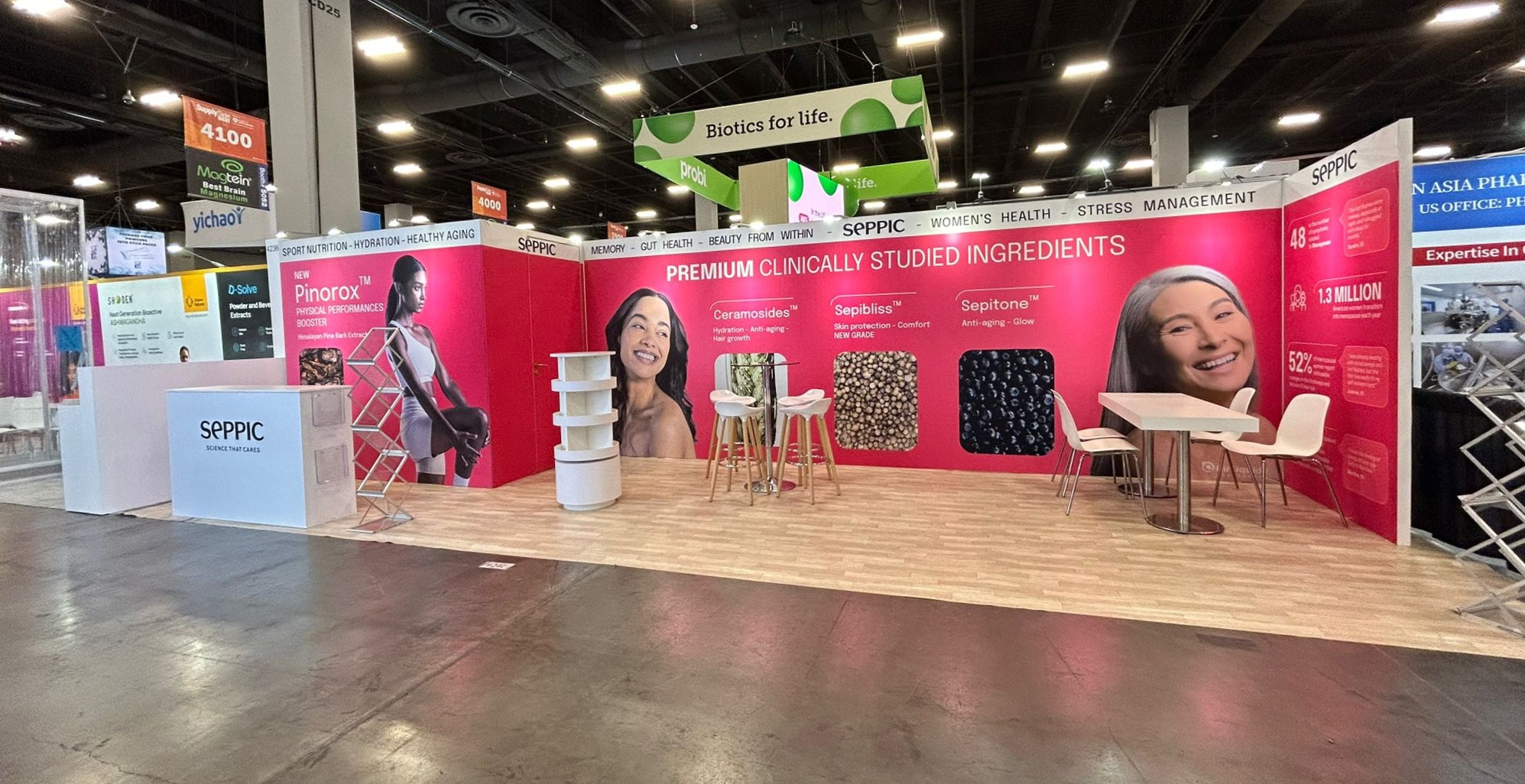
Rental Exhibit Booths is planned around venue rules, labor windows, freight timing, and the way Miami events actually flow on site.
Trade Show Exhibit Company of Miami uses nearby routes like Conference Booth Displays, Exhibit Rental Programs, and Coconut Grove to keep design, logistics, and execution decisions connected.
Rental Exhibit Booths should be selected because it solves a real exhibit problem, not because it happens to be familiar. The right format depends on visibility requirements, staffing needs, the amount of product or content that must live on the floor, and how the venue shapes circulation around the booth. Format choice should make the rest of the program easier to operate and easier to understand.
That is especially true in Miami, where venue conditions can move from sprawling convention floors to hotel environments with tighter access and a more hospitality-led atmosphere. A booth type that is ideal in one room can become too heavy, too closed, or too complex in another. Buyers should use sections like this one to compare the format against real venue conditions before they lock the design direction.
Rental Exhibit Booths changes what the audience sees first and how deeply the team can organize the space behind that first impression. Open formats may win on visibility and flow but require tighter discipline around storage, demonstrations, and staffing behavior. Heavier formats can create stronger presence and better separation between functions, but they often demand more from fabrication, freight, and installation planning.
The structural tradeoff is not just about how the booth looks in a rendering. It affects crate count, setup time, reusability, and how resilient the booth stays when the venue imposes tighter rules than expected. Buyers should evaluate whether the visual ambition of rental exhibit booths is actually supported by the calendar, the room, and the service stack available to execute it cleanly.
Booth type is one of the quickest ways to change the budget. Rental Exhibit Booths may push the project toward more custom fabrication, more engineered structure, larger graphics packages, or a more selective rental mix depending on the level of finish required. A useful section makes those financial consequences visible early so the buyer can choose the format with open eyes instead of discovering the tradeoffs late.
This is where related routes such as Conference Booth Displays, Exhibit Rental Programs, and Coconut Grove become practical. They show whether the format wants a custom-heavy build, a faster rental-led path, or a hybrid package that protects the visual goal without overcommitting to fabrication. The right answer is the one that keeps the booth impressive and executable at the same time.
Every booth format carries its own field burden. Some are forgiving during install and easy to reset. Others need tighter labor management, more punch time, or more careful coordination with power, AV, and material handling. Buyers should ask what the format demands once the booth leaves the shop and enters a live Miami venue, because that is where optimistic assumptions usually break down.
Those logistics questions become even more important when the same booth must travel, adapt to more than one footprint, or survive several dates on the calendar. A format that seems efficient upfront can become expensive later if it is hard to refurbish, hard to reconfigure, or too dependent on ideal venue conditions. Good planning looks at the whole operating life of the booth, not just the first show.
Rental Exhibit Booths can be the right move for lead generation, branded presence, product demonstrations, sponsor visibility, or a more controlled meeting environment, but only when the format is matched to the event goal. Buyers should ask which business outcome the booth must support first. That answer usually makes the format decision much clearer and keeps the design team from solving the wrong problem elegantly.
They should also verify whether the venue, calendar, and freight path support the selected format. If not, the smarter answer may be to simplify the structure, change the rental/custom balance, or move to a different booth type entirely. Booth choice should reduce risk and improve performance, not create a production burden that the schedule cannot comfortably absorb.
The best next step is to combine the booth type with the venue, show dates, desired footprint, product or demo needs, and the level of custom finish the company is willing to support. That information reveals whether rental exhibit booths is still the best answer or whether a nearby booth type or rental path should be considered before design moves further.
Trade Show Exhibit Company of Miami uses booth-type guides like this one to connect visual ambition to operating reality. Once the team knows what the booth must do and where it must do it, they can shape the right mix of design, fabrication, rentals, graphics, and show-site support without treating the format as a decorative choice divorced from execution.